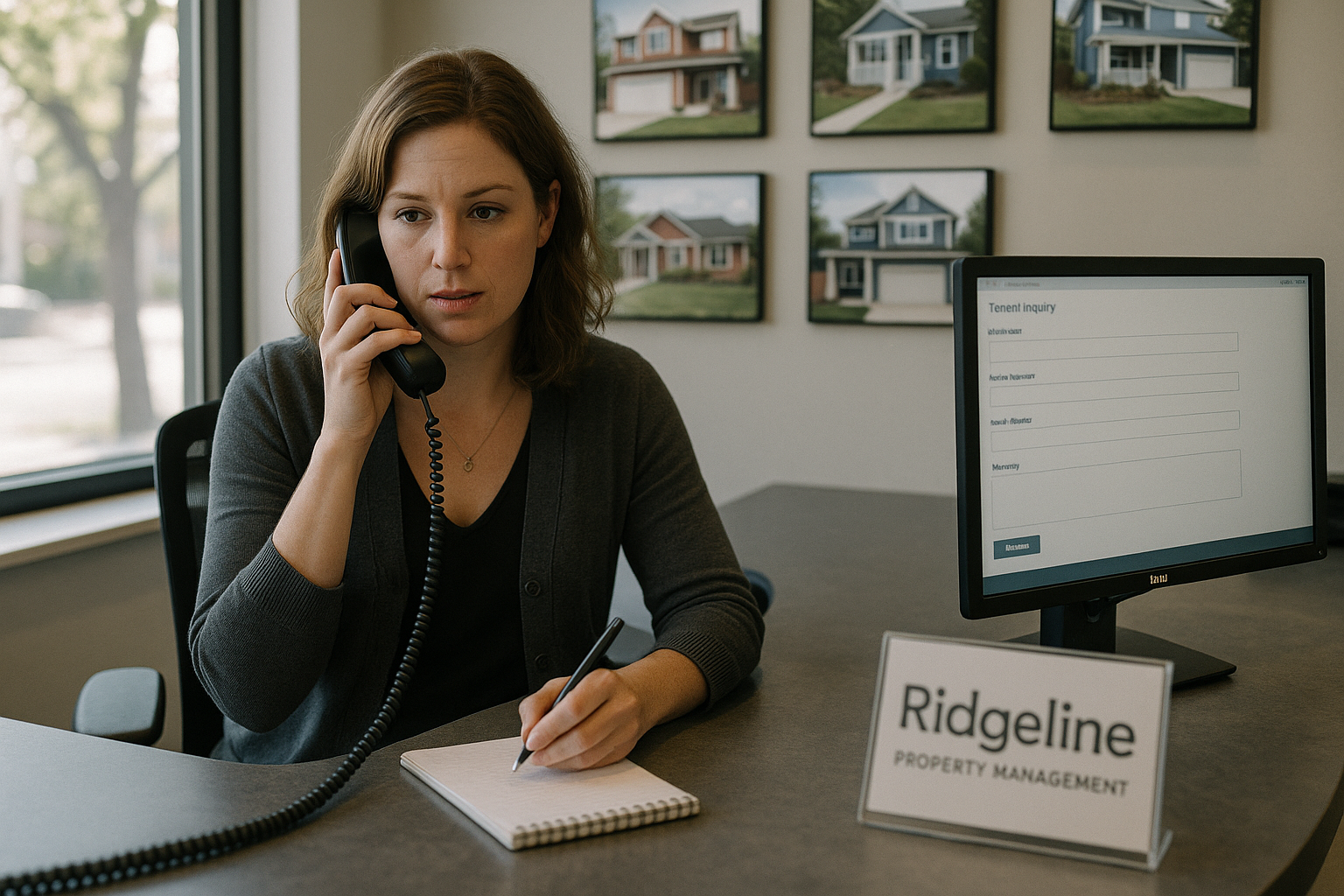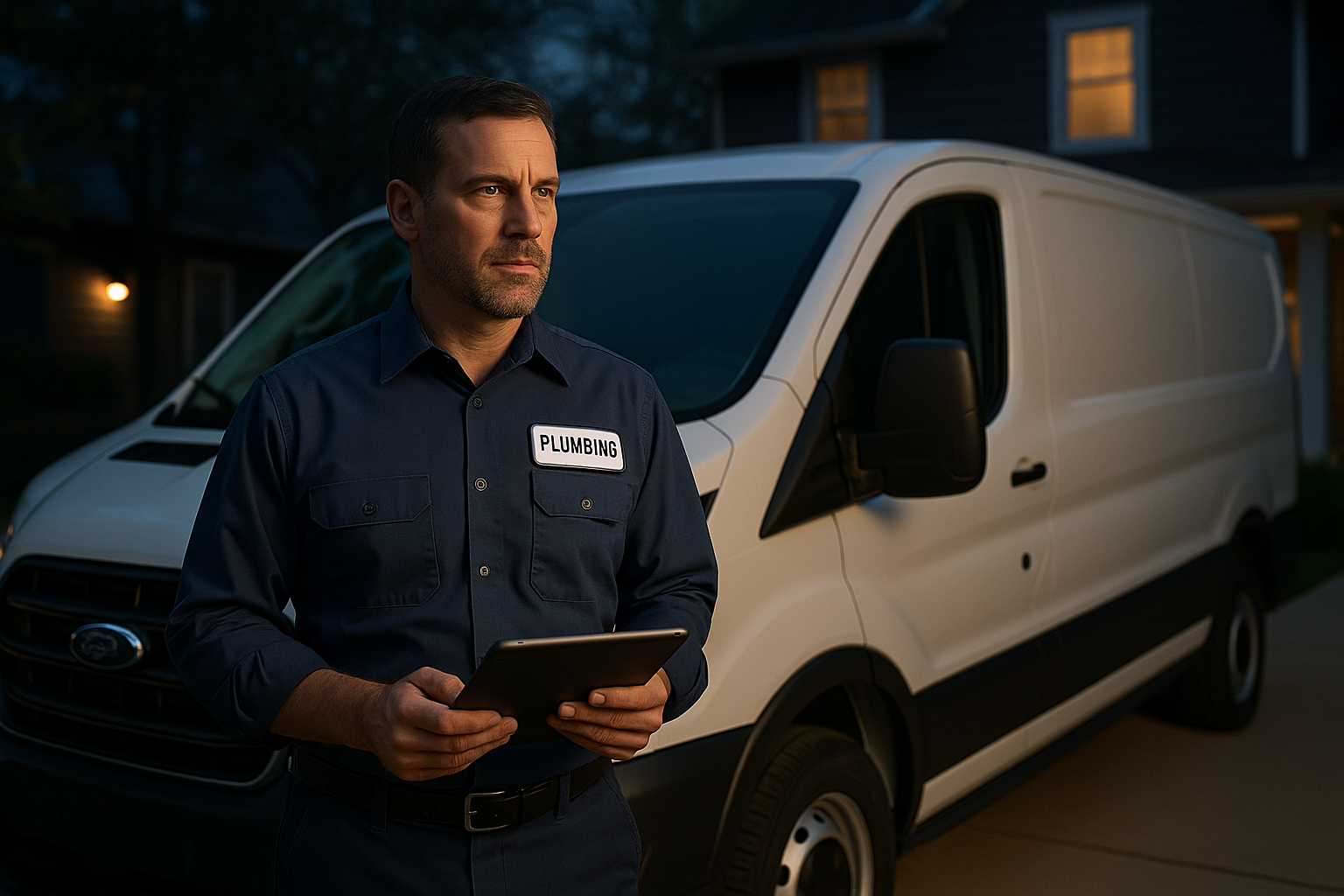

It’s 11 PM on a Tuesday. A homeowner is standing in two inches of water in their kitchen, watching it spread toward the living room carpet. A pipe has burst behind the dishwasher. Panic sets in.
They grab their phone, Google “emergency plumber near me,” and start dialing down the list. Your company is call number one. It rings once. Twice. Three times. Four times. Voicemail.
They hang up immediately and dial the next number. That competitor has Reliable Receptionist’s after-hours AI. It answers in two rings.
“Thanks for calling [Company Name]. I can help you right now. Are you calling about an emergency?”
“Yes—a pipe burst in my kitchen. Water everywhere.”
“I’m sorry to hear that. Let me get someone dispatched right away. Can you confirm your address?”
The homeowner provides the address. The AI confirms it’s within the service area, asks whether it’s a burst pipe or water heater issue, and triggers the emergency dispatch workflow in the CRM. It quotes the after-hours service call fee, provides an ETA, and sends a text confirmation with the technician’s name and phone number—all while your voicemail greeting is still playing on the first call.
By the time you check messages the next morning, the competitor’s truck has already been on-site for six hours. The homeowner has posted a five-star review. And you’ve lost an $800–$1,500 job you never even knew existed.
The Revenue Math You Can’t Ignore
The average emergency plumbing call generates between $800 and $1,500 in revenue. These are high-margin jobs—homeowners aren’t price shopping at 11 PM. They’re hiring whoever answers the phone first and can get there fast.
If you miss just two after-hours emergency calls per month, that’s $1,600 to $3,000 in lost revenue every month. Over a year, that’s $19,200 to $36,000 walking straight to your competitors.
And here’s the kicker: you have no idea how many calls you’re missing. Voicemail hang-up rates for after-hours emergencies exceed 90 percent. Most people don’t leave a message—they just move to the next number. You don’t get a second chance.
Why Voicemail Fails After Hours
When someone has an emergency at 11 PM, they’re not interested in leaving a detailed message and waiting for a callback. They need help now. Voicemail signals that you’re unavailable, and in an emergency, unavailable means irrelevant.
The homeowner doesn’t care that you’re a great plumber or that you’ve been in business for 20 years. They care that water is destroying their house and you’re not picking up.
Voicemail doesn’t capture the lead. It doesn’t route the call. It doesn’t start the job. It just lets revenue walk out the door.
Why Generic AI Chatbots Don’t Work Either
Some plumbing companies have turned to generic AI tools—like Jobber’s new chatbot feature—to handle after-hours inquiries. It sounds like a solution. It’s not.
Here’s what a generic chatbot can do: capture a name and phone number. That’s it.
Here’s what it can’t do:
- Confirm whether the caller’s address is within your service area
- Distinguish between an emergency dispatch and a standard service request
- Quote your after-hours service call fee
- Trigger your dispatch workflow in your CRM
- Send a confirmation text with ETA and technician details
A generic bot doesn’t know your business. It doesn’t know your pricing structure, your service area boundaries, or your dispatch protocols. It can’t convert the call—it can only log it and hope you follow up fast enough.
And in an emergency, hope isn’t a strategy.
What Reliable Receptionist’s After-Hours AI Actually Does
Reliable Receptionist doesn’t use a generic chatbot. We deploy a customized AI trained specifically on your business. It’s integrated with the Reliable Response CRM, and it’s built to do three things most answering services can’t:
- Convert the call in real time. The AI asks the right questions, confirms service area eligibility, identifies the issue type, and quotes your emergency pricing—so the homeowner knows exactly what to expect before they hang up.
- Trigger dispatch workflows automatically. The moment the call ends, the lead is logged in your CRM, the emergency dispatch workflow fires, and your on-call technician gets a notification with all the details they need to respond.
- Send automated follow-up. The homeowner receives a confirmation text with the technician’s name, phone number, and ETA. No waiting. No wondering. Just confidence that help is on the way.
This isn’t about answering the phone. It’s about finishing what a phone call is supposed to do: convert a lead, start a job, and create a customer.
Why After-Hours Matters More Than You Think
Plumbing emergencies don’t happen on your schedule. Pipes burst at midnight. Water heaters fail on Sunday mornings. Sewer lines back up during holiday weekends.
If you’re only available Monday through Friday, 8 AM to 5 PM, you’re only available for the calls that aren’t urgent. The high-value, high-margin emergency work is happening when you’re unavailable—and it’s going to whoever picks up the phone.
Your competitors know this. That’s why they’re investing in after-hours coverage. The question is whether they’re investing in something that actually works.
Stop Losing Emergency Calls to Competitors Who Just Happened to Answer
You didn’t get into the plumbing business to lose jobs because your phone went to voicemail. You got into it to solve problems, serve customers, and build a sustainable company.
Reliable Receptionist makes sure that when a homeowner calls you at 11 PM with a burst pipe, your business is the one that converts the call, dispatches the technician, and earns the revenue—not the competitor who happened to be next on the list.
Book a 20-minute demo at reliablereceptionist.com and see exactly how our after-hours AI handles emergency calls for plumbing companies. No generic scripts. No voicemail black holes. Just a system that works when you’re not available—and turns after-hours calls into revenue.
Ready to stop missing calls? Explore our live receptionist service, AI assistants, and Reliable Response — our free integrated CRM, or see our plans and pricing.