
Last updated: June 2026
You’ve probably heard the term before — but what does a virtual receptionist actually do? How does a call get answered if no one is sitting in your office?
It’s a fair question, and the answer is more straightforward than most people expect. This guide walks through exactly how it works: what happens when a call comes in, who answers it, how your callers experience it, and what you get on the back end after every interaction.
What Is a Virtual Receptionist?
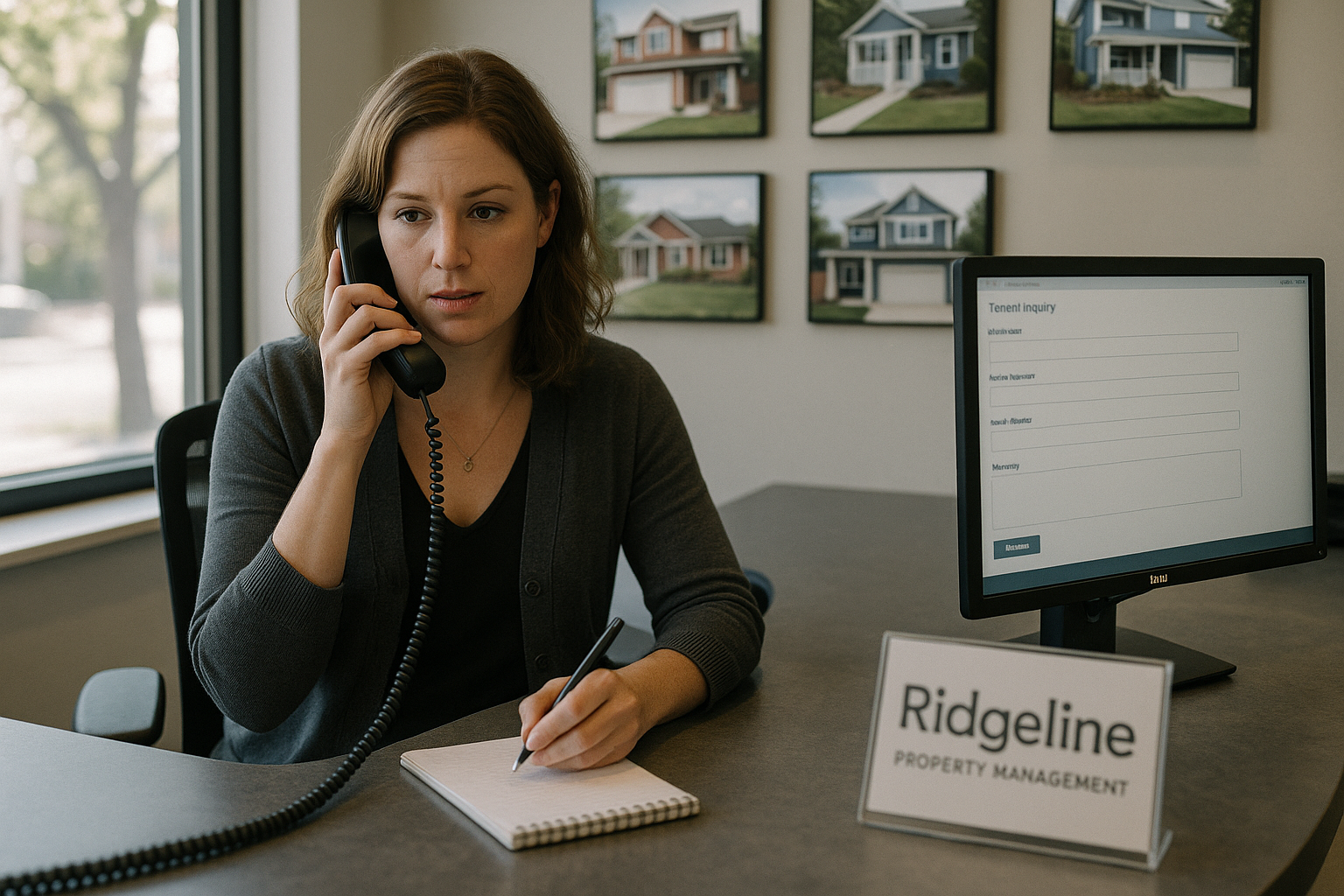
A virtual receptionist is a trained professional who answers calls on behalf of your business — using your greeting, your scripts, and your call-handling preferences — without being physically present in your office.
They’re not a call center agent reading from a generic script. They’re not an automated phone system. A virtual receptionist presents to your callers exactly the way an in-house receptionist would: warm, informed, and representing your brand.
The difference is that instead of sitting at a desk in your building, they work from a professional call-handling facility — and they handle calls for multiple clients across the day, which is what makes the service cost-effective compared to hiring in-house.
How Calls Are Answered
When someone calls your business number, the call is routed to your virtual receptionist team. This happens through a simple call forwarding setup — either all calls go directly to your virtual receptionist, or calls that go unanswered after a set number of rings are forwarded automatically.
The receptionist answers with your custom greeting — something like “Thank you for calling [Your Business Name], this is [Name], how can I help you today?” — within four rings. To your caller, it sounds exactly like someone who works for your company picked up the phone.
From there, the receptionist follows the call-handling instructions you’ve set up:
- Answer common questions using your FAQ and knowledge base
- Schedule appointments directly into your calendar
- Capture lead information — name, phone, email, reason for calling
- Transfer the call to you or a team member when appropriate
- Take a detailed message and alert you immediately via text or email
- Handle intake for service-based businesses — collect the information you need before a consultation
None of this requires you to be available. The receptionist handles the caller professionally, captures what matters, and either resolves the call or escalates it based on your preferences.
Live, AI, and Hybrid — What’s the Difference?
In 2026, virtual receptionist services fall into three categories. Understanding the difference matters before you choose.
Live receptionists are trained humans who answer every call in real time. They can handle nuanced conversations, exercise judgment, build rapport with repeat callers, and manage situations that don’t fit neatly into a script. This is the gold standard for businesses where caller experience drives revenue — law firms, medical practices, service contractors, financial advisors.
AI receptionists use voice AI to answer calls automatically. They’ve improved significantly in recent years and can handle structured interactions well: confirming appointments, answering FAQs, collecting basic information. The tradeoff is that they struggle with complex, emotional, or off-script calls — the exact calls that often represent your highest-value leads.
Hybrid coverage combines both. Live receptionists handle calls during business hours, when callers expect a human and when the stakes are highest. AI coverage handles overflow and after-hours calls — answering instantly, capturing lead details, and routing urgent matters without ever going to voicemail. This approach gives you 24/7 coverage without the cost of round-the-clock live staffing.
At Reliable Receptionist, we’ve operated a live + AI hybrid model for over two decades. Every business-hours call is answered by a trained live receptionist. Every after-hours or overflow call is handled by AI that’s been configured to your business — not a generic bot.
What Your Callers Experience
From a caller’s perspective, a well-configured virtual receptionist is indistinguishable from an in-house hire.
They hear your greeting. They speak with someone (or something, in the AI case) that knows your business, understands your services, and can help them. They don’t hear hold music. They don’t get bounced between departments. They don’t end up in voicemail.
This matters more than most business owners realize. Research shows that 85% of callers who don’t reach a business on the first attempt will not call back. They solve their problem with a competitor instead. Every answered call is a retained opportunity. Every unanswered call is a lead that’s already gone.
The experience your callers have in the first 30 seconds sets the tone for the entire relationship. A virtual receptionist ensures that tone is professional, warm, and on-brand — every time, regardless of how busy you are or what time the call comes in.
What Happens After the Call
This is the part most people don’t think about — and it’s where a lot of the value lives.
After every call, your virtual receptionist logs the interaction. Depending on your setup, this might mean:
- A call summary pushed directly to your CRM (contact created, notes added, follow-up task queued)
- An immediate text or email notification with the caller’s name, number, and reason for calling
- An appointment confirmation sent to both you and the caller
- A flagged urgent call routed to your on-call team member
The goal is to make sure nothing falls through the cracks. You shouldn’t have to remember to check a voicemail or dig through a notepad to find out who called. Every interaction generates a structured record you own — and every record has a clear next step attached to it.
For businesses running a CRM, this is especially valuable. New leads are captured automatically, existing contacts are updated, and your pipeline reflects what’s actually happening with callers — not just what you managed to manually log at the end of a busy day.
After-Hours Coverage
One of the most overlooked advantages of a virtual receptionist is what happens after 5 PM.
Your business hours and your callers’ schedules don’t always overlap. People call when they have a moment — during a lunch break, on a Saturday morning, after the kids are in bed. For service businesses, some of the highest-value calls come outside of normal office hours: the property owner who just noticed water damage, the patient trying to schedule before a procedure, the prospect who finally has time to shop.
If your phone coverage stops when you leave the office, you’re handing those leads to competitors who do answer.
With after-hours coverage in place — whether live, AI, or a hybrid — every call is answered. Every lead is captured. Every urgent situation gets triaged appropriately. And you wake up the next morning with a full log of who called, what they needed, and what follow-up is required.
How to Set Up Virtual Receptionist Service
Getting started is simpler than most people expect. Here’s how the onboarding process works at Reliable Receptionist:
1. Discovery call. We learn about your business — your services, your typical callers, your call-handling preferences, and how you want calls escalated or transferred. This takes about 20 minutes.
2. Custom setup. We build your greeting, call-handling scripts, FAQ responses, and escalation rules. For most businesses, this takes 3 to 5 business days. Complex setups (multi-location, appointment scheduling, intake workflows) may take a bit longer.
3. Call forwarding. You forward your main business number to us — either always, or after a set number of rings. This takes about two minutes and can be reversed instantly if needed.
4. Go live. Your virtual receptionists start answering calls. You get a real-time notification for every interaction and a full log to review at any time.
There’s no lengthy IT setup, no hardware to install, and no training on your end. You tell us how you want your callers handled — we handle them.
Is a Virtual Receptionist Right for Your Business?
Virtual receptionist service is a strong fit if any of these describe you:
- You’re missing calls because you’re busy, in meetings, or unavailable
- You’re losing leads to voicemail — calls that don’t get returned in time
- Your current receptionist has limited hours, takes time off, or is a single point of failure
- You want to extend coverage to evenings and weekends without hiring staff
- You need a more professional first impression when clients call
- You want every call logged and tracked, not just the ones you happened to be available for
If even one of those is true, it’s worth a conversation.
Virtual Receptionist FAQs
What is a virtual receptionist?
A virtual receptionist is a trained professional (or AI system) who answers your business calls remotely — greeting callers, handling routine questions, taking messages, and routing or transferring calls — so every call is answered without an in-house front desk.
What does a virtual receptionist do?
Common tasks include answering and screening calls, taking messages, transferring calls to the right person, scheduling appointments, capturing lead information, and answering basic questions about your business — handled live during business hours and often by AI after hours.
How does a virtual receptionist work?
Calls to your business are routed to the receptionist team, who answer in your business name using a custom script. They handle the call — answering questions, booking appointments, or transferring to you — then send you a summary of each call and any leads captured.
Can a virtual receptionist schedule appointments?
Yes. Most virtual receptionist services can book, reschedule, and confirm appointments directly in your calendar or scheduling software, so callers can set up appointments during the call instead of waiting for a callback.
What should I look for in a virtual receptionist service?
Check whether a consistent, dedicated team handles your calls or a large shared pool; how calls are scripted and customized; whether appointment scheduling and warm transfers are included; after-hours or AI coverage; and how call summaries and leads are delivered to you.
What’s the difference between a live, AI, and hybrid virtual receptionist?
A live virtual receptionist is a person handling calls in real time; an AI receptionist uses voice automation to answer common calls 24/7; a hybrid combines both — live receptionists during business hours and AI for after-hours, weekends, and overflow.
See Exactly How We’d Handle Your Calls
The best way to understand how virtual receptionist service works for your specific business is to hear it in action — your greeting, your scripts, your callers.
Book a free demo → We’ll walk you through exactly how we’d handle your calls, play back a sample greeting, and answer every question you have. No pressure, no commitment — just a clear picture of what’s possible.
Related: Under 4 Rings: Why Answer Speed Is Your Most Important Sales Metric · How Much Does a Virtual Receptionist Cost? (2026 Pricing Guide)
Ready to stop missing calls? Explore our live receptionist service, AI assistants, and Reliable Response — our free integrated CRM, or see our plans and pricing.